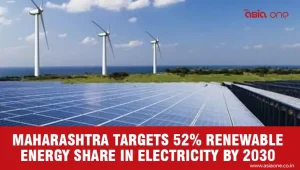



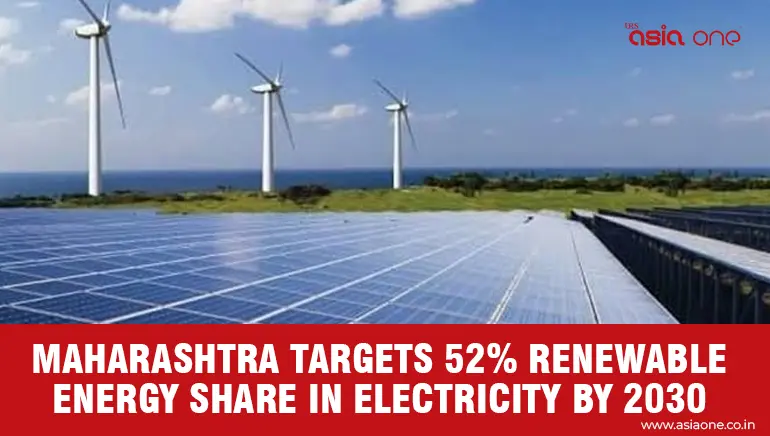
Maharashtra plans to meet 52 per cent of its electricity requirements through renewable energy by 2030, as the state prepares for rising power demand from industries, data centres and electric vehicles.
The target was outlined by Lokesh Chandra, chairman of Maharashtra State Electricity Distribution Company. He said the renewable share is expected to increase from around 15 per cent currently. The state is also targeting a 65 per cent renewable share over the following decade.
Maharashtra’s electricity demand is projected to grow by 7 to 8 per cent annually. Peak demand could rise by 40 per cent to reach 45 gigawatts by 2030. Data centres are expected to account for a significant portion of this increase, with demand from the sector projected to reach at least 7 gigawatts.
The state plans to expand solar and wind generation alongside investments in energy storage. Storage systems will help manage fluctuations in renewable power supply and maintain grid reliability as more clean energy enters the network.
Maharashtra’s Energy Transition Plan also provides for expanding its overall electricity generation capacity from 36 GW to 81 GW by 2030. The plan involves investments across generation, transmission and distribution.
The transition will not mean an immediate end to coal-based electricity. The state plans to replace ageing coal-fired plants with newer facilities to maintain reliable baseload power as consumption increases.
Maharashtra is India’s largest electricity-consuming state and a major industrial centre. Its renewable energy expansion will be closely linked to the power requirements of manufacturing and emerging technology sectors.