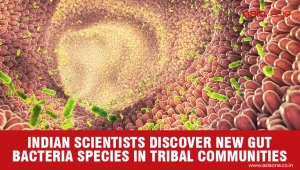



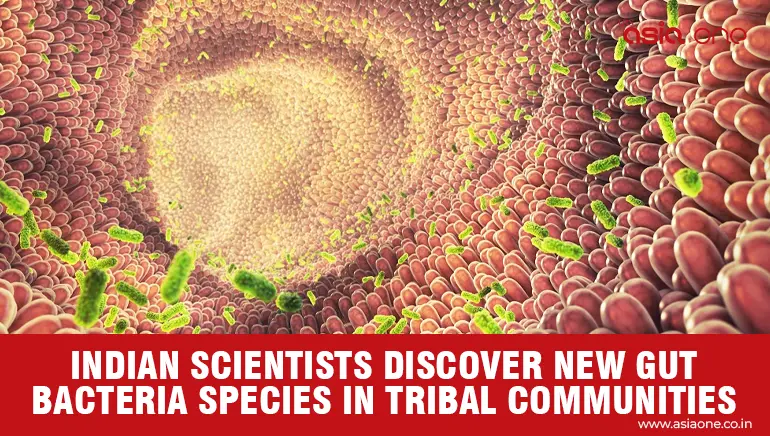
Scientists at the BRIC-National Centre for Cell Science (NCCS) have discovered a new gut bacteria species from the intestinal microbiome of Indian tribal communities, highlighting the country’s rich and largely unexplored microbial diversity. The discovery builds on earlier research showing that India’s tribal populations possess distinct gut bacterial communities shaped by geography, diet, and ethnicity.
The latest finding expands knowledge of the Indian gut microbiome and underscores the importance of studying Indigenous populations to better understand human health. According to researchers, much of India’s microbial diversity remains unexplored, making tribal communities an important focus for future microbiome research.
An earlier study comparing the gut bacteria of 15 tribal communities across Assam, Manipur, Sikkim, and Telangana. They found that while gut microbial composition varied between regions, several bacterial genera like Prevotella, Faecalibacterium, Eubacterium, Clostridium, Blautia, Collinsella, Ruminococcus, and Roseburia, formed a common core microbiome across the populations. The researchers concluded that gut bacterial diversity is influenced by a complex interaction of diet, environment, ethnicity, and genetic factors.
The discovery of the new gut bacteria species adds to this growing body of research and could contribute to future studies on digestive health, disease prevention, and precision medicine. Scientists believe continued exploration of India’s diverse microbiome may uncover additional beneficial microbes. Potential applications in healthcare and biotechnology will improve understanding of how gut bacteria influence overall human health.