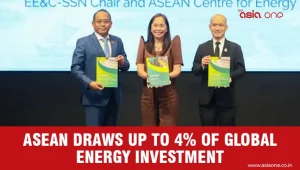



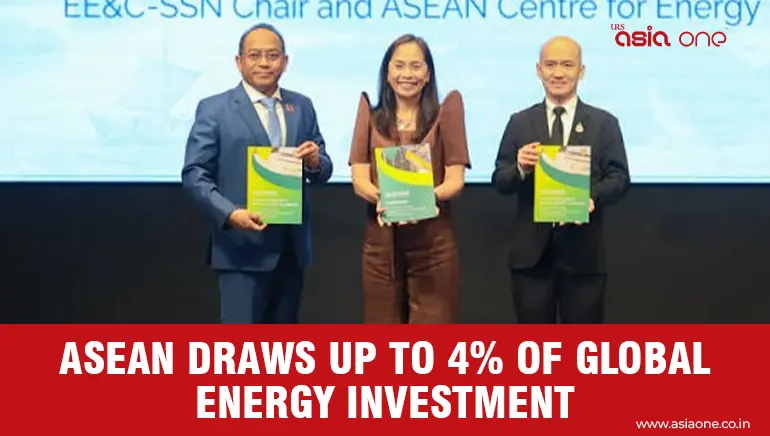
Southeast Asia has significant potential to attract greater energy investment as electricity demand rises and countries accelerate the shift towards cleaner power generation. The ASEAN Centre for Energy’s ASEAN Energy Investment 2026 report highlights the scale of funding required to support the region’s energy ambitions and strengthen its long-term energy security.
Under the ASEAN coordinated scenario, the region will require US$14.2 trillion in energy investment through 2060, compared with US$7.8 trillion under the baseline scenario. The coordinated pathway reflects the scale of investment needed to advance regional energy development and meet future demand.
Of the total investment under the coordinated scenario, 66 per cent is directed towards energy demand, with transport accounting for US$6.2 trillion, equivalent to approximately US$178.2 billion annually. The remaining 34 per cent is allocated to energy supply, highlighting the importance of developing reliable and cleaner energy systems across the region.
Renewable energy accounted for 14.1 per cent of ASEAN’s total primary energy supply in 2024. With the region targeting a 30 per cent share by 2030, there is considerable scope to expand renewable generation capacity and strengthen the supporting infrastructure. Investment in transmission networks, energy storage and cross-border electricity connections will play an important role in integrating cleaner power into regional energy systems.
Mobilising the required capital will depend on creating a supportive investment environment. Financing costs for clean-energy projects in Southeast Asia remain at least twice those in advanced economies, reflecting factors such as political and regulatory uncertainty and risks associated with electricity buyers. Addressing these concerns can improve investor confidence and make more projects financially viable.
The report outlines a phased approach to unlocking greater investment. Policy and regulatory reforms can establish a stronger foundation, while well-structured power purchase agreements can provide greater certainty for investors. Financial instruments such as guarantees, political risk insurance and blended finance can further reduce project risks and encourage private-sector participation.
With coordinated policy action, stronger financing frameworks and greater regional cooperation, ASEAN has an opportunity to attract more capital, accelerate renewable energy deployment and build a cleaner, more resilient energy system to support its long-term economic growth.