



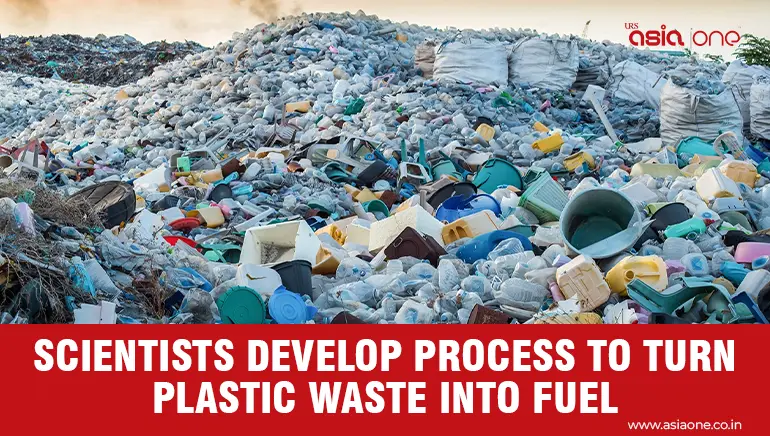
Scientists at Oak Ridge National Laboratory have developed a process that converts polyethylene, one of the most widely used plastics, into liquid hydrocarbons that can be used as gasoline- and diesel-like fuels. The research uses aluminium chloride-based molten salts to break down the plastic’s long molecular chains.
The process works at temperatures below 170°C and does not require an external hydrogen supply, additional solvents or noble-metal catalysts. Instead, the molten salt provides the catalytic environment needed to break polyethylene into smaller hydrocarbon molecules.
The researchers produced branched C6-C12 alkanes, which fall within the range of hydrocarbons used in gasoline. The system can also produce liquid alkane products in the diesel range when applied to high-molecular-weight polyethylene materials.
The study was led by researchers from Oak Ridge National Laboratory and the University of Tennessee, with additional researchers from Lawrence Berkeley National Laboratory. Their findings were published in the Journal of the American Chemical Society.
The reaction uses aluminium-based active sites within the molten salts to break the polyethylene chains through a series of chemical steps. The researchers used experimental measurements and theoretical calculations to examine how the reaction proceeds and how the plastic molecules are converted into smaller hydrocarbons.
The researchers describe the method as a route for converting plastic waste into liquid fuels without relying on external hydrogen or expensive metal catalysts. The work focuses specifically on polyethylene, which is commonly found in products such as shopping bags and plastic cutting boards.