


With its remarkable natural, cultural, and geographical diversity, Argentina stands out as one of the world’s most vibrant and captivating nations. Deeply influenced by indigenous traditions and enriched by generations of immigrants, it reflects heritage and modernity in a truly unique way. From trekking across towering glaciers and wandering through lush jungles to discovering historic towns and dynamic cities, Argentina offers breathtaking landscapes, immersive adventures, and a cultural richness that promises unforgettable experiences for every traveller.
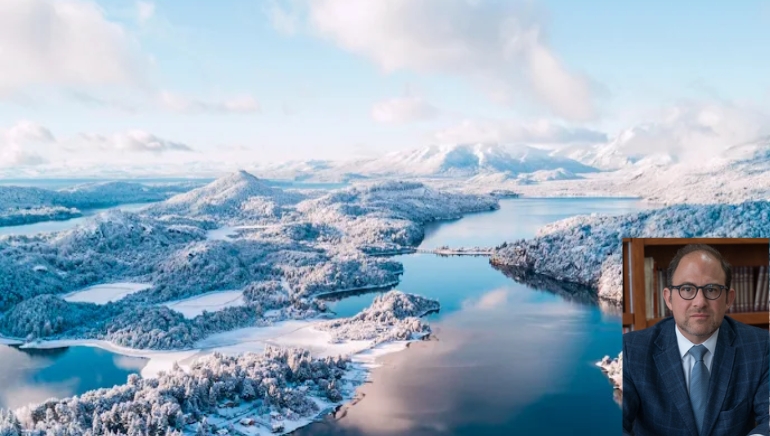
By H.E. Mr. Mariano Agustin Caucino, Ambassador of Argentina to India
“ARGENTINA OFFERS STUNNING VIEWS, VIBRANT CITIES AND DEEP CULTURAL ROOTS FOR EVERY TRAVELLER”
While it’s summer in India, Argentina enjoys its winter—ideal for snowfilled holidays at more than 10 exclusive winter resorts. Anyhow, Argentina is a country that can be enjoyed throughout the year, since in each season you can enjoy different activities. In summertime you can enjoy trekking in Patagonia, visiting the glaciers or visiting the beach destinations. Spring and autumn are less-crowded, with ideal temperatures in most of our destinations—ideal for creating unforgettable experiences. From whale watching and moonlit visits to the Iguazú Falls, to trekking at the End of the World, immersing in the passion of tango, and enjoying vibrant, world-class culture and cuisine—Argentina promises an exceptional journey. Tourism is a national priority and a driving force for regional economies. Currently, more than 80 accommodation projects are underway, including new builds, expansions, and refurbishments. Among the newly launched attractions is the Solar Train in Quebrada (Jujuy), while others—such as the observation wheel in Puerto Madero (Buenos Aires)—are under construction. Additionally, efforts are being made to revitalise the port of Mar del Plata to welcome cruise ships. In the first half of the year, Argentina welcomed 2.9 million international tourists. The country continues to establish itself as a diverse and wellrounded destination, offering a unique blend of nature, luxury, and authentic cultural experiences. Its variety and richness encourage travelers to return. To further enhance accessibility for major European markets, Argentina is actively strengthening and expanding its air connectivity. Argentina is a country of striking contrasts. It features towering mountains, lush rainforests, sprawling wetlands, shimmering salt flats, fertile plains, and colossal glaciers. Its landscapes are as varied as its traditions, languages, and artistic expressions. Argentina’s multicultural identity formed by Indigenous communities, Spanish heritage, European immigrants, and Latin American essence—has fostered an open, welcoming national spirit that embraces diversity. Testament to its commitment to preserving both cultural and natural legacies, Argentina is home to 12 UNESCO World Heritage Sites, reflecting centuries of history, creativity, resilience, and ecological importance. From the cosmopolitan pulse of Buenos Aires to the timeless rhythms of the Andes and the pristine beauty of Patagonia, Argentina tells a powerful story—one that blends heritage with modernity, nature with innovation, and tradition with global vision.
LOS GLACIARES NATIONAL PARK
In the southern reaches of Patagonia lies Argentina’s first UNESCO World Heritage Site, Los Glaciares National Park. This park is a majestic expanse of ice, rock, and pristine wilderness, capturing the dramatic geological history of the region. At its heart is the famous Perito Moreno Glacier, renowned for its rhythmic ruptures and thunderous ice collapses, a living demonstration of Patagonia’s raw power. Surrounded by the Andes, the park is a land of towering ice walls, turquoise lakes, and forests that shimmer in shades of emerald and gold. Visitors can walk along elevated platforms that offer breathtaking views, sail among floating icebergs, or explore the scenic Route of the Seven Lakes, where every turn reveals untouched natural beauty. Life here moves to nature’s rhythm, and a visit to Los Glaciares is an immersion into the wilderness that has shaped Argentina’s identity.
IGUAZÚ NATIONAL PARK
In the subtropical north lies the Iguazú National Park, another natural marvel. Taller than Niagara and wider than Victoria, these 275 cascading waterfalls emerge from dense rainforest. Mist rises like incense, rainbows arc across the sky, and the thunderous roar of the Devil’s Throat reminds visitors of nature’s unrivaled power. Winding paths lead through dense rainforest, where toucans, butterflies, capuchin monkeys, and coatis make frequent appearances. The eco-train carries travellers through the verdant forest, while thrill-seekers can get up close to the falls in small boats. Iguazú showcases the rich biodiversity of Argentina’s Litoral region, a living testament to the power of water and rainforest combined with ancient geological forces.
CUEVA DE LAS MANOS
In Santa Cruz Province, southern Argentina lies a site that connects visitors to humanity’s distant past—Cueva de las Manos, or “Cave of Hands.” The walls are covered with stencilled handprints, hunting scenes, and geometric motifs created more than 9,000 years ago. Many of the handprints belong to young people, offering a haunting glimpse into the lives of ancient hunter-gatherers. Set in a rugged canyon carved by the Pinturas River, this cave is a UNESCO World Heritage Site that highlights Argentina’s commitment to preserving its archaeological treasures and the stories of prehistoric cultures.
PENÍNSULA VALDÉS
Patagonia, the Region of Giants, reveals its wonders at Península Valdés, a sanctuary for marine life. Recognised by UNESCO for its exceptional wildlife, this peninsula is home to southern right whales, orcas, elephant seals, sea lions, and large colonies of Magellanic penguins. Winds from the Atlantic sweep over its cliffs, sandy beaches, and salt flats, while whales breach offshore and orcas hunt along the shore. Visitors here witness nature’s dramatic cycles in action, a reminder of the richness of Argentina’s marine ecosystems.
THE JESUIT BLOCK AND ESTANCIAS OF CÓRDOBA
At the centre of the country lies Córdoba, a province known for its rolling hills, pristine rivers, and one of Argentina’s most vital historical sites: the Jesuit Block and Estancias. Constructed in the 17th century, these buildings hosted one of the oldest universities in the Americas and served as centers of education, agriculture, and cultural exchange. The Estancias—Caroya, Jesús María, Santa Catalina, La Candelaria, and Alta Gracia—tell the story of Jesuit influence on education, architecture, and regional development. Local traditions thrive here, from festivals to folklore, and even the region’s famous Fernet-with-Cola drink reflects Córdoba’s unique cultural identity.
ISCHIGUALASTO / TALAMPAYA NATURAL PARKS
Further west, the provinces of San Juan and La Rioja present an otherworldly landscape known as Ischigualasto–Talampaya Natural Parks, or “The Moon Valley.” These deep red cliffs and eroded rock formations have preserved some of the oldest dinosaur fossils ever discovered. Walking through this region feels like traveling back millions of years. Rugged canyons, silent deserts, and natural sculptures shaped by wind and water reveal Earth’s earliest chapters—a UNESCO-recognised cradle of paleontological knowledge.
QUEBRADA DE HUMAHUACA
In Argentina’s northwest, the Andean world unfolds dramatically along the Quebrada de Humahuaca, a narrow mountain valley lined with centuriesold villages. Inhabited for over 10,000 years, this UNESCO site is a living cultural corridor used by Indigenous peoples, Inca caravans, colonial traders, and modern travelers. The valley’s colors defy imagination: the Seven Colors Hill in Purmamarca, the ancient fortress of the Pucará de Tilcara, and crystalline salt flats of Salinas Grandes create surreal backdrops. Traditions such as the Pachamama celebration, Andean music, and the Carnaval of the North preserve the living spirit of Argentina’s Indigenous heritage.
QHAPAQ ÑAN
Threading through Argentina from north to west is the monumental Qhapaq Ñan, the great Inca road system spanning six countries. In Argentina, this UNESCO site connects high-altitude deserts, valleys, and strategic Andean passes. Along these ancient paths lies the Inca Bridge in Mendoza, a natural formation once used along this vast network. The road system reflects a sophisticated Andean civilization that built trade, communication, and ceremonial routes across impossible terrain. Today, it offers a window into indigenous engineering brilliance and cross-continental cultural exchanges.
THE CURUTCHET HOUSE
In La Plata city stands the Curutchet House, a UNESCO-listed work designed by the legendary architect Le Corbusier. The house embodies modernist principles with natural light, innovative terraces, ramps, and geometric forms, adapted seamlessly to an Argentine context. It is a symbol of the country’s openness to global artistic movements and its ability to merge international creativity with local culture.
LOS ALERCES NATIONAL PARK
Patagonia reveals yet another wonder in Los Alerces National Park, a UNESCO site safeguarding ancient larch forests. Among these towering trees lives “El Abuelo,” one of the oldest trees on Earth, estimated to be over 2,600 years old. Glacial lakes, crystalline rivers, and dense forests make Los Alerces one of South America’s most pristine ecosystems. This protected reserve reflects Argentina’s dedication to preserving biodiversity and combating climate change.
THE JESUIT MISSIONS OF THE GUARANÍ
In the Litoral region, Argentina shares with Brazil and Paraguay the UNESCO-recognized Jesuit Missions of the Guaraní, including San Ignacio Miní, a site that preserves red-stone ruins of Indigenous-Jesuit collaboration. These missions reveal a unique social and cultural model where European religious structures integrated with Indigenous Guaraní knowledge, agricultural practices, and music.
ARGENTINA—A NATION THAT INSPIRES
Argentina’s heritage is not confined to monuments or landscapes; it lives in its people, traditions, and the harmonious coexistence of cultures. With 12 UNESCO World Heritage Sites, the nation demonstrates its commitment to preserving its natural ecosystems as well as historical legacies. It is a country where history, geography, and culture intertwine to create one of the world’s most compelling destinations. Argentina is an experiential destination that must be lived to truly appreciate its authenticity. On the Visit Argentina website, agents can access key resources to support their sales, ranging from maps, images, and audiovisual content to a dedicated section for travel professionals that include training materials.