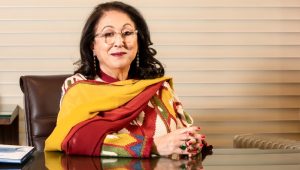




India stands at a transformative moment in its educational journey. With a rapidly growing youth population, evolving industry demands, and the integration of technology into everyday life, the country’s education system must continuously adapt to remain relevant and impactful. At the forefront of this transformation is Dr. Shruti Sharma, CEO of Brindavan Group of Institutions, whose visionary leadership offers valuable insights into how Indian education can innovate, become more inclusive, and drive sustainable growth.
Reimagining Education Through Innovation
According to Dr. Shruti Sharma, innovation in education is not limited to digital tools or smart classrooms—it is a mindset. She emphasizes that institutions must rethink how students learn, not just what they learn. In a world driven by artificial intelligence, automation, and data, traditional rote-based learning is no longer sufficient.
Dr. Sharma advocates for curriculum frameworks that blend academic rigor with practical exposure. Project-based learning, industry collaborations, internships, and real-world problem solving form the backbone of future-ready education. By integrating emerging technologies such as AI, data analytics, and digital platforms into teaching methodologies, institutions can equip students with skills that are relevant today and resilient for tomorrow.
She also highlights the importance of faculty development in driving innovation. Teachers must be lifelong learners, continuously upgrading their skills to align with global educational standards. Innovation, she believes, flourishes when educators are empowered to experiment, collaborate, and inspire curiosity in students.

Inclusivity as the Foundation of Progress
For Dr. Shruti Sharma, inclusivity is not a buzzword—it is a responsibility. She strongly believes that the future of Indian education depends on creating equitable access to quality learning for students from diverse socio-economic, cultural, and geographic backgrounds.
“Inclusivity begins with opportunity,” says Dr. Sharma. She stresses the importance of scholarships, mentorship programs, and student support systems that ensure no deserving learner is left behind. She envisions campuses where diversity is celebrated and students are encouraged to express themselves freely, fostering confidence and mutual respect.
Gender inclusivity is another key pillar of her vision. As a woman leader in education, Dr. Sharma serves as a role model for aspiring female professionals. She actively supports initiatives that encourage women to pursue leadership roles, STEM education, and entrepreneurship. According to her, empowering women through education has a multiplier effect—it strengthens families, communities, and the nation as a whole.
She also emphasizes inclusive education for students with different learning abilities. By adopting flexible teaching methods and personalized learning approaches, institutions can ensure that every student has the chance to succeed.
Bridging the Gap Between Education and Employability
One of the most pressing challenges facing Indian education today is the gap between academic qualifications and industry expectations. Dr. Shruti Sharma addresses this issue head-on by advocating for strong academia–industry linkages.
She believes that educational institutions must function as ecosystems where students gain exposure to real-world challenges early in their academic journey. Guest lectures by industry experts, hands-on training, entrepreneurship cells, and innovation labs help students develop critical thinking, communication skills, and adaptability.
Dr. Sharma also encourages nurturing an entrepreneurial mindset among students. Rather than viewing education solely as a path to employment, she promotes the idea of education as a platform for innovation and job creation. This shift, she believes, is crucial for India’s long-term economic growth.
Technology as an Enabler, Not a Replacement
While technology plays a central role in the future of education, Dr. Shruti Sharma is clear that it should enhance human connection, not replace it. Digital tools, online platforms, and hybrid learning models provide flexibility and access, but the role of educators as mentors and guides remains irreplaceable.
She envisions a balanced model where technology supports personalized learning while maintaining the emotional and ethical dimensions of education. Emotional intelligence, values, and life skills are just as important as technical knowledge in shaping responsible global citizens.
A Vision for Sustainable Growth
Looking ahead, Dr. Shruti Sharma sees Indian education as a powerful driver of national growth. Institutions must align with global standards while staying rooted in Indian values and culture. Sustainability, ethical leadership, and social responsibility should be integral to educational missions.
Under her leadership, growth is not measured merely by numbers, but by impact—impact on students’ lives, on communities, and on society at large. She believes that when education focuses on purpose as much as performance, it creates leaders who are not only successful but also compassionate and socially aware.