

A sovereign country and a high-income economy in Western Asia, the State of Qatar is not just renowned for its natural gas and oil reserves, which are the third-largest in the world, but it is also famous for having the highest per capita income in the world, high human development, and for being the first Arab country to host the forthcoming 2022 FIFA World Cup.
By His Excellency Abdulla Ibrahim Abdulrahman S. Al-Hamar, Ambassador of Qatar in Singapore
Qatar has been an important civilization in the ancient period and a powerful player in the world economy in the modern era.
“With its share of striking architecture, and beautiful places to visit, Qatar has unlimited options”
Rich Ancient Legacy & Modern Progress
Be it a 50,000-year-old human habitation or the contemporary “The Pearl-Qatar”, the country’s contribution to the world has always been massive.
From a famous breeding centre of horses and camels, to a centre of pearl trading, to a country known for its glamorous and extraordinary architecture, advanced healthcare and education systems, and modern state-of-the-art infrastructure, to its highly fruitful academic, religious, political and economic conferences, Qatar has done really well.
Through its National Vision 2030, Qatar has made an ambitious goal of investing in renewable resources over the next two decades.
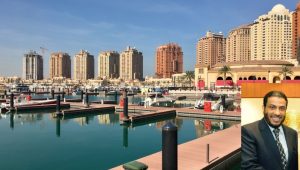
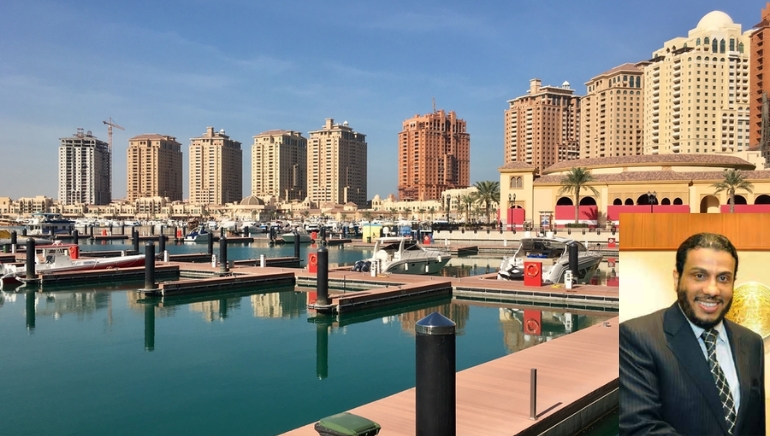
“The Pearl is a popular visitor attraction by virtue of its chic elegance & outdoor atmosphere”
Tourism Opportunities
With its share of striking architecture and beautiful places to visit, Qatar has unlimited options filled with immense passion, which domestic and international tourists may explore.
The main tourist attractions in Qatar include the following:
Doha Corniche:
It’s a seven-kilometre-long waterfront promenade that stretches for the entire length of Doha Bay, offering spectacular vistas of the city, from the dramatic high-rise towers of the central business district to the bold shapes of the Museum of Islamic Art. Traditional wooden dhows lining the Bay evoke echoes of Qatar’s great seafaring past. The Corniche provides a green, vehicle-free pedestrian space in the heart of the capital with cafes, restaurants, outdoor exercise facilities, and a running track.
Qatar’s Inland Sea:
Some 60 km from Doha in the south-eastern corner of the country lies one of Qatar’s most impressive natural wonders, the ‘Inland Sea’ or Khor Al Adaid. A UNESCO-recognized natural reserve with its own ecosystem, this is one of the few places in the world where the sea encroaches deep into the heart of the desert. Inaccessible by road, this tranquil expanse of water can only be reached across the rolling dunes.
According to UNESCO, Khor Al Adaid represents “a remarkable landscape” offering “world-class scenic beauty”. The area is home to a unique set of fauna, including several species which are internationally rare and/or threatened, such as turtles.
Khor Al Adaid is also home to populations of certain species of birds which are of national and regional importance — long-distance migrant waterfowl winter there.
According to UNESCO, “This intrinsic attractiveness, of a largely uninhabited area, is added to by the presence of a diverse native terrestrial flora and fauna alongside a varied and sensitive marine ecosystem. The flora present in the area is typical of those habitats represented and supports species and communities mostly widespread on the Arabian Peninsula, yet not occurring in the same combination in any other single locality”.
Katara:
An innovative interpretation of the region’s architectural heritage, this purpose-built development’s impressive theatres, galleries, and performance venues stage a lively year-round programme of concerts, shows, and exhibitions.
Among the most famous of these is the Doha Film Institute’s Ajyal Youth Film Festival, which takes place in November each year. The Institute also showcases a programme of indoor and outdoor film screenings throughout the year.
The Pearl-Qatar: The Pearl-Qatar is a man-made island off the West Bay coast featuring Mediterranean-style yacht-lined marinas, upmarket residential towers, villas and internationally renowned hotels, as well as luxury shopping at top brand name boutiques and showrooms. A popular dining spot with dozens of restaurants, its waterfront promenades are lined with cafes and restaurants serving every taste – from a refreshing ice cream to a five-star dining experience. The Pearl is a popular visitor attraction by virtue of its chic elegance, outdoor atmosphere and al fresco dining.
Souq Waqif: A stroll down the bustling alleys of Souq Waqif provides an authentic taste of traditional commerce, architecture and culture. The maze of small shops offer a dazzling array of Middle Eastern merchandise from spices and seasonal delicacies such as fresh dates and nuts, to perfumes, ornate jewellery, clothing, handicrafts and a treasure trove of souvenir bargains. Traditional music, art and cultural shows add to the ambience of this special place which also houses a comprehensive visitor centre. It provides an eclectic mix of great restaurants and cafes which offer traditional Qatari food as well as regional dishes and treats from Asia and North Africa. The souq is also home to a number of art galleries and a traditional falconry market.
Museum of Islamic Art: To experience 14 centuries in a few hours at one of the leading collections of Islamic art in the world, one must visit the Museum of Islamic Art (MIA). The MIA’s magnificent and imaginatively presented displays of the finest art and artefacts from across the Islamic world have earned it recognition among the world’s top cultural institutions. It boasts award-winning collections that feature paintings, glassworks, metalwork, ceramics, textiles and manuscripts and cover periods such as Mughal and Safavid. No visitor can fail to be impressed by the quality and diversity of the collections, housed in a modern architectural masterpiece designed by I. M. Pei, winner of the 1983 Pritzker Architecture Prize. The museum ensures fresh interest through its constantly changing programme of special exhibitions.
UNESCO Recognized Heritage Site: Located on Qatar’s northwest coast and comprising the immaculately restored Al Zubarah Fort and surrounding 60-hectare archaeological works, this UNESCO World Heritage site is one of the most extensive and best-preserved examples of an 18th–19th century settlement in the region. It covers the remains of a walled coastal town that once ranked as one of the Gulf’s most important pearl diving and trading centres with links extending to the Indian Ocean. According to UNESCO, Al Zubarah was one of a long line of prosperous trading towns around the coast in what is present-day Qatar, and it bears a unique testimony to human interaction with both the sea and the harsh desert environment of the region. Pearl divers’ weights, imported ceramics, depictions of dhows, fish traps, wells and agricultural activity show how the town’s development was driven by trade and commerce, and how closely the town’s inhabitants were connected with the sea and their desert hinterland.