




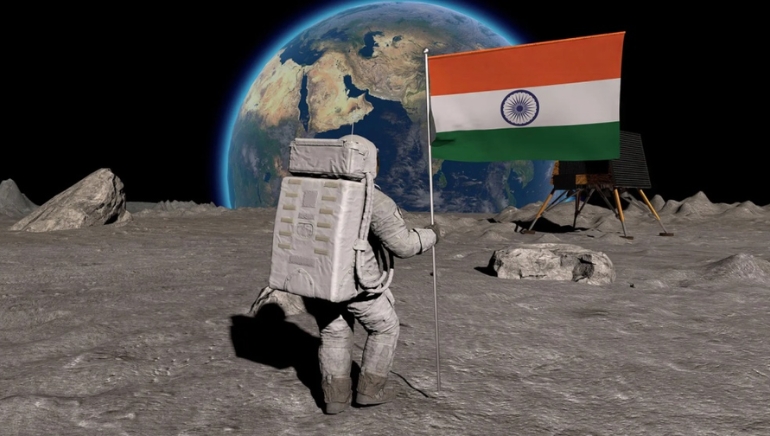
India is aiming to achieve a historic milestone by landing an Indian astronaut on the Moon by 2040, according to ISRO Chairman V. Narayanan. Speaking at a scientific gathering in Hyderabad, he outlined an ambitious roadmap for the country’s space programme, focusing on human spaceflight, advanced lunar missions, and space infrastructure development. The plan includes multiple precursor missions under the Gaganyaan programme, with three uncrewed flights scheduled before a crewed mission. ISRO is also working on future lunar missions such as Chandrayaan-4, which aims to bring back samples
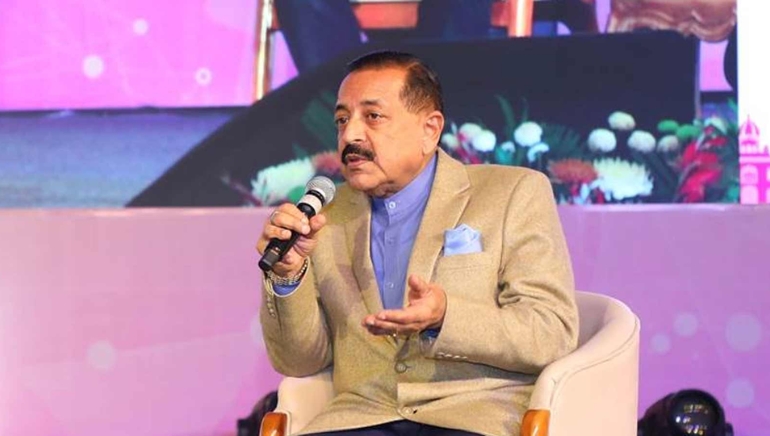
Union Minister Shri Jitendra Singh congratulated the Indian Space Research Organisation (ISRO) for completing the IADT-02 test, a crucial milestone in India’s ambitious Gaganyaan Mission. The test, which is part of the Integrated Air Drop Test series, is aimed at validating crew escapes and recovery systems designed to ensure astronaut safety during space missions. Officials said the successful execution of IADT-02 demonstrates the robustness of critical systems required for human spaceflight. Shri Jitendra Singh praised ISRO scientists and engineers for their dedication and technolog
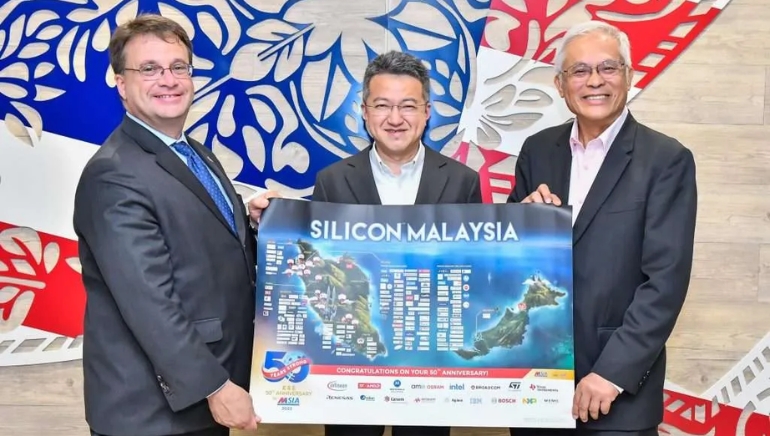
Malaysia is accelerating its semiconductor strategy as part of efforts to move up the global value chain and strengthen its role in the electronics industry. The country is focusing on higher-value activities such as chip design, advanced packaging, and innovation-driven manufacturing, rather than remaining limited to assembly and testing operations. The initiative aligns with Malaysia’s broader economic transformation plans, which aim to attract high-quality investments and enhance technological capabilities. Authorities are also prioritising talent development, research collaboration,
The Indian Space Research Organisation has announced plans to conduct three uncrewed missions before undertaking its first human spaceflight under the Gaganyaan programme. The announcement was made by ISRO Chairman V. Narayanan, who emphasized the importance of extensive testing before sending astronauts into space. According to ISRO, preparations for the first uncrewed mission are already underway, with all systems progressing as planned. These precursor missions are designed to validate critical technologies, including crew safety systems and mission operations, which are essential for h
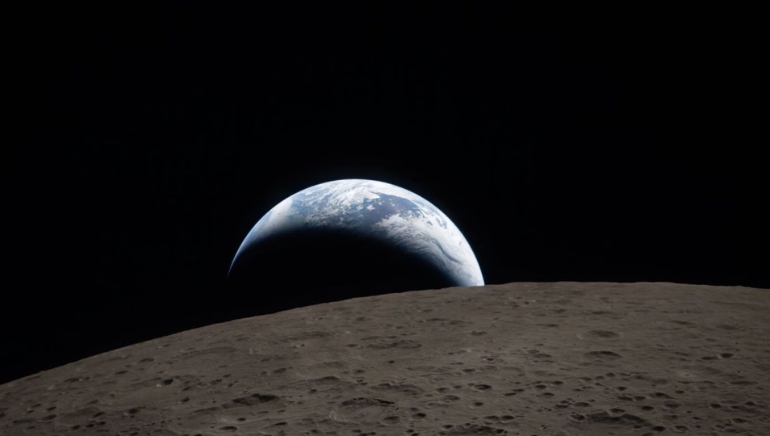
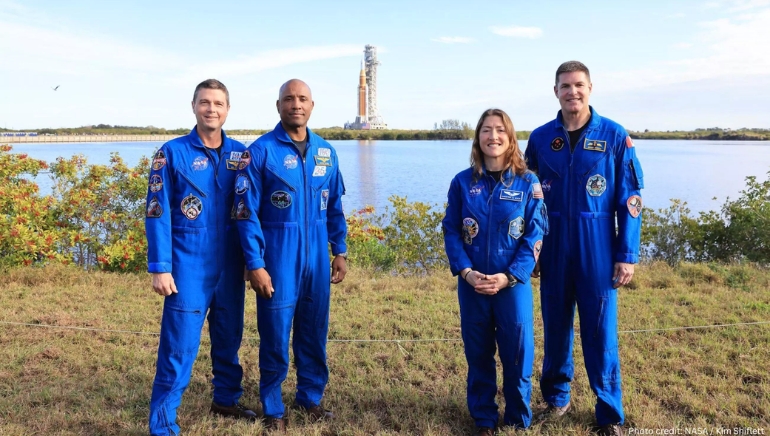
The NASA Artemis II mission has reached a significant milestone as astronauts begin their journey back to Earth following a historic flyby of the Moon. The mission, part of NASA’s ambitious Artemis program, represents a major step toward returning humans to the lunar surface. Artemis II is the first crewed mission of the program, carrying astronauts beyond low Earth orbit and around the Moon. The successful flyby demonstrated critical capabilities, including deep-space navigation, life-support systems, and spacecraft performance. During the mission, astronauts captured valuable data a

Prime Minister Narendra Modi hailed a major milestone in India’s nuclear energy programme as the country’s first indigenously developed Prototype Fast Breeder Reactor (PFBR) at Kalpakkam attained criticality. The achievement marks the beginning of a controlled nuclear chain reaction and represents a significant step in India’s civil nuclear journey. The PFBR, designed and built domestically, is a key component of India’s three-stage nuclear programme aimed at achieving long-term energy security and utilising abundant thorium reserves. Fast breeder reactors are capable of producing
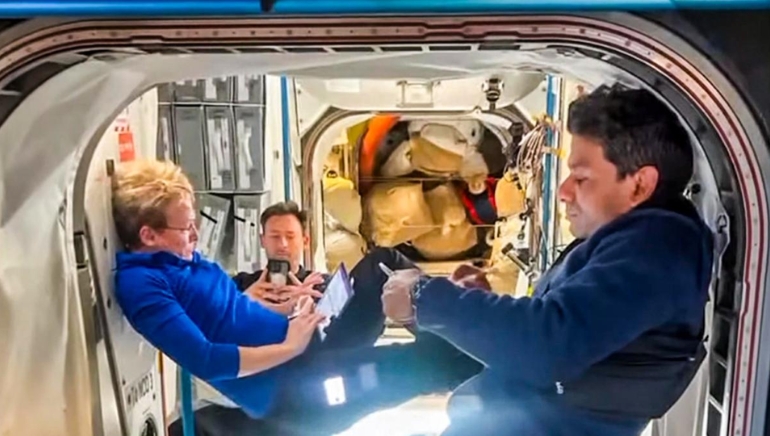
The Indian Space Research Organisation (ISRO) has launched a specialized mission in Ladakh to test astronauts' mental and physical endurance in extreme conditions. The initiative is part of preparations for India’s upcoming human spaceflight programme, particularly the Gaganyaan mission. Ladakh’s high-altitude terrain, low oxygen levels, and harsh climatic conditions make it an ideal location for simulating the physiological and psychological challenges astronauts may face during space missions. Selected candidates are undergoing rigorous assessments, including survival training, stres
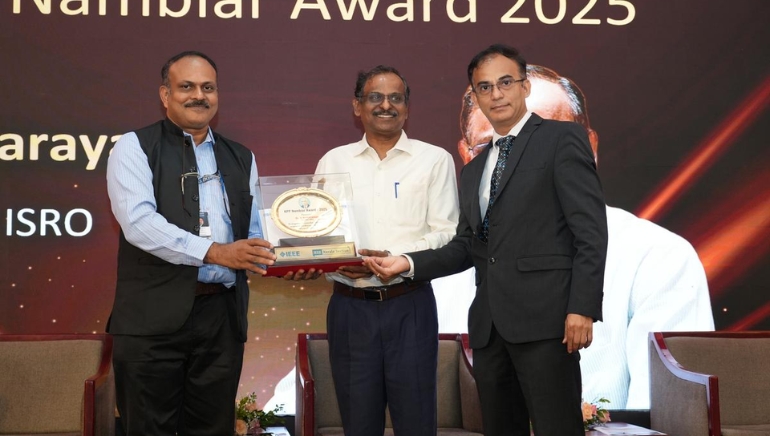
Indian Space Research Organisation (ISRO) Chairman V. Narayanan has expressed strong confidence in the success of Artemis II, calling it a “grand success” and a significant milestone in global space exploration. Speaking in Thiruvananthapuram, Narayanan praised the mission following its recent launch from Florida, highlighting its importance in advancing human spaceflight. Artemis II marks the first crewed mission of NASA’s Artemis programme and is designed to carry four astronauts on a lunar flyby, making it the first human journey beyond low-Earth orbit since the Apollo era. The mi
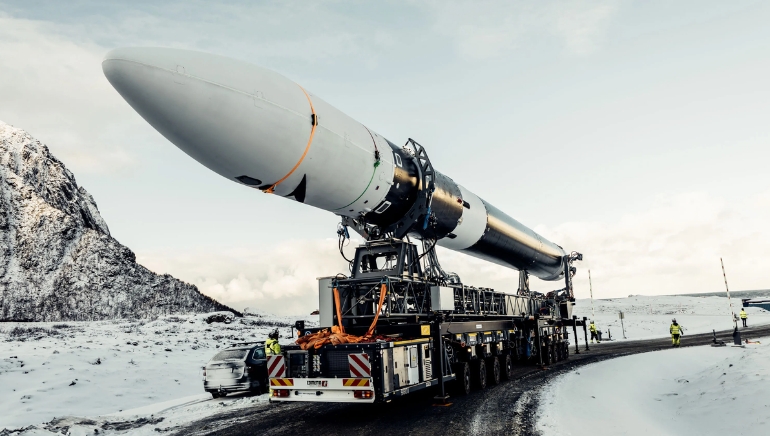
A European aerospace firm is reportedly exploring collaboration with the Indian Space Research Organisation (ISRO) to launch a new generation of internet satellites, reflecting growing global confidence in India’s space capabilities. The move comes as demand for low-cost and reliable satellite launch services continues to rise worldwide. ISRO has built a reputation for cost-effective and efficient missions, making it an attractive partner for international companies seeking to deploy satellite constellations. Its Polar Satellite Launch Vehicle (PSLV) and other launch systems have success
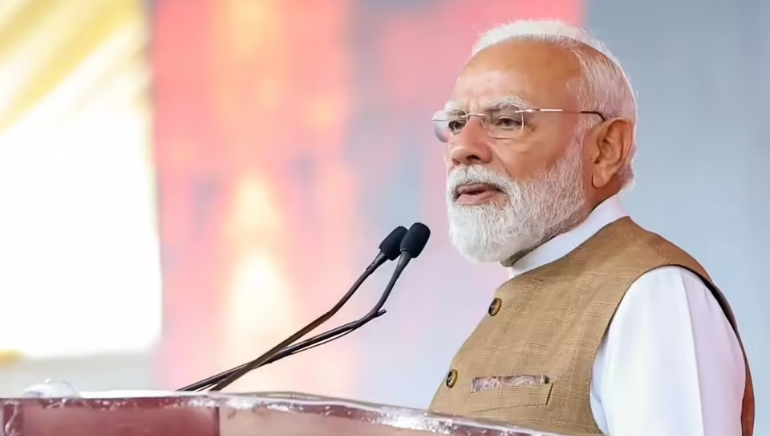
India is emerging as a global leader in the adoption of artificial intelligence (AI), Prime Minister Narendra Modi said, highlighting the country’s rapid technological transformation. Addressing global audiences and industry leaders, the Prime Minister noted that India’s widespread digital infrastructure and strong innovation ecosystem have accelerated AI adoption across sectors. He credited flagship initiatives such as Digital India and the expansion of fintech services for creating a strong foundation that enables AI-driven solutions at scale. According to Modi, India’s large popul