


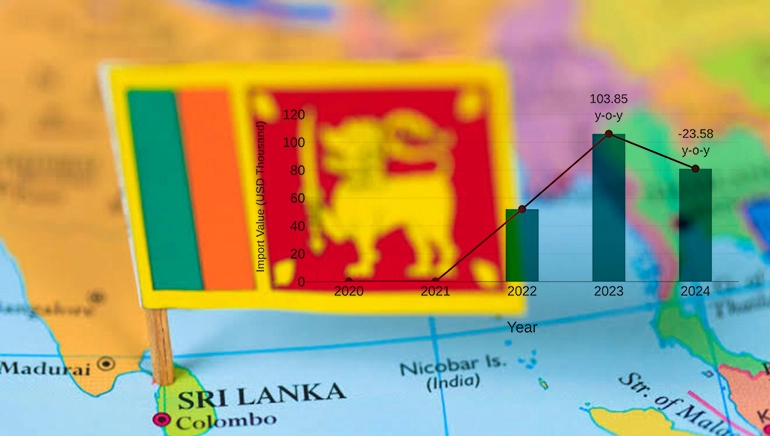
Sri Lanka has officially returned to the upper middle income country category under the World Bank’s latest annual income classification, marking a significant milestone in the country’s economic recovery after years of financial turmoil.
The reclassification is the first since 2019 and follows Sri Lanka’s gradual recovery from the economic crisis that peaked in 2022. According to the World Bank, the country’s improving macroeconomic stability, stronger export performance, and sustained policy reforms have helped lift its gross national income (GNI) per capita above the threshold required for upper-middle-income country status.
Unlike rankings based on economic size, the World Bank’s income classification is determined by GNI per capita, which measures average income per person. The system groups countries into low, lower-middle, upper-middle, and high-income economies based on annual income thresholds.
Sri Lanka’s return reflects improving economic fundamentals following fiscal reforms, stabilisation measures, and a rebound in key sectors. The World Bank noted that stronger growth and higher average income contributed to the country’s upgraded classification.
The income categories are revised annually using the latest available GNI per capita data, updates to national accounts, and population estimates where applicable.
Sri Lanka’s return to the upper middle-income country group will strengthen investor confidence to show the country’s progress towards long-term economic stability after one of the most challenging periods in its recent history.